
Bridging Generational Divides.
Building a Sustainable Workforce.
We deliver actionable insights and resources that help organizations lead, engage, and retain today’s multigenerational workforce.
Our expertise enables clients to:
Strengthen Culture, Connection & Trust
Build trust, engagement, and adaptability by aligning communication, technology adoption, and leadership practices across generations.
Support Talent Pipelines
Attract, develop, and retain talent by strengthening recruiting, onboarding, cross-generational mentorship, and leadership development across every generation.Reduce Generational Friction
Resolve communication gaps, workplace conflict, and burnout by aligning how Baby Boomers, Gen X, Millennials, and Gen Z communicate, collaborate, and work.How We Deliver
The BridgeWorks methodology integrates three core value propositions into every engagement:

Unveiling the "Why" Behind Generational Differences
Beyond surface-level distinctions, we illuminate the formative influences, historical events, technologies, pressures, and cultural norms that shape generational behaviors in today’s workforce. In an era of abundant information amplified by artificial intelligence, true value emerges from expert-guided connections to real-world applications. Contrary to popular belief, these differences stem not from age alone, but from the unconscious biases formed during our formative years. Understanding this shifts all of us away from assumptions, reducing ageism and improving how generations work together.
The fundamental misunderstanding about generations is that differences are rooted in age. This belief leads to mischaracterizations and ageism toward both younger and older individuals. Generational behaviors are not random. This is shaped by the experiences, pressures, technologies, and cultural norms each group encountered during their formative years, which form the unconscious biases and preferences carried throughout life. This is the root (the why behind the what), and it is the foundation of everything we do.
Celebrating the Strength of Each Generational Perspective
We reframe generational traits by highlighting the inherent strengths and contributions each cohort develops through its unique experiences. This perspective builds confidence in individuals and cultivates mutual trust across teams.

Delivering Immediate, Actionable Strategies
Every program is research-backed and tailored to address specific generational challenges in today’s workplace. We equip participants with evidence-based tools to enhance collaboration, productivity, and trust in multigenerational teams.
When leaders grasp the “why” behind generational differences, they stop taking behaviors personally. Recognizing each generation’s strengths dispels assumptions. With proven strategies, they gain clarity on what to do next. This approach creates workplaces where:
- Conflict evolves into connection
- Frustration yields to appreciation
- Silos dissolve into synergy
- Turnover transforms into retention
- Differences become competitive advantages
Without the right approach, leaders risk losing emerging talent to competitors, losing institutional knowledge as Baby Boomers retire without a clear succession plan, and reinforcing toxic silos that reduce productivity. Organizations face ongoing interpersonal conflict, rising recruitment and training costs, declining output from miscommunication, and falling behind in a rapidly shifting workforce.
A common mistake professionals make is assuming the next generation is motivated by the same things that motivated them. When expectations don’t align, it creates frustration as anticipated engagement and loyalty don’t materialize.
Through our work, leaders strengthen collaboration across generations, build talent pipelines that blend experience with innovation, and improve retention in ways that support long-term organizational success. These outcomes extend beyond the workplace—helping organizations attract top talent, fuel innovation through diverse perspectives, and build lasting competitive advantage.
Our generational solutions provide practical insights to build authentic team connections.

Clients' Testimonials:
The Transformation
When leaders understand generational differences in the workplace, assumptions drop, trust grows, and performance improves.
- Conflict evolves into connection
- Frustration yields to appreciation
- Silos dissolve into synergy
- Turnover transforms into retention
- Differences emerge as competitive advantages
What We Solve
Navigating the Modern Multigenerational Workforce
Today’s multigenerational workforce includes Baby Boomers, Gen X, Millennials, and Gen Z; each shaped by different life experiences, technology, and expectations around work. For executives, HR leaders, and people managers alike, the challenge isn’t the presence of multiple generations, it’s aligning them.
How do you strengthen collaboration, retain institutional knowledge, and build a workforce ready for what’s next?
We focus on the key intergenerational ClashPoints™ that surface wherever poeple work, lead, and collaborate. Equipping organizations with practical strategies to improve communication, strengthen culture, and drive performance across every level of the business.
We address key intergenerational ClashPoints™ that show up wherever people work, lead, and collaborate.
- Communication
- Collaboration
- Work Ethic
- Culture & Engagement
- Empowerment
- Knowledge Sharing
- Organizational Structure
- Motivation
- Feedback
- Burnout
- Formality
- Loyalty
- Mentorship
- Trust

Enhanced Communication and Collaboration
We bridge differing working styles to align teams toward shared objectives.

Feedback That Fuels Performance
We give managers tools to adjust how they communicate across generations, strengthen trust, and help every team member reach their potential.

From Onboarding to Leadership Readiness
Leaders learn how to bring new hires up to speed while building the next generation of high-impact leaders across a multigenerational workforce.
Solving Today’s Multigenerational Workforce Challenges.
We help organizations improve recruitment, retention, and engagement across today’s multigenerational workforce. Our approach gives leaders practical tools to reduce friction, strengthen collaboration, and build teams that perform at a higher level.
Every generation brings different experiences, expectations, and communication styles to work. When leaders understand how these differences shape behavior, they can unlock stronger performance, higher trust, and more effective teamwork. Organizations that apply generational intelligence create resilient cultures where people stay, grow, and innovate together.
The following represents a list of common workplace challenges we help organizations address:

Retention

Recruitment

Mentorship

Engagement

Workplace Culture

Knowledge Sharing
How Organizations and Communities Benefit from Generational Intelligence:
Elevated Onboarding and Professional Growth
We strengthen recruitment, onboarding, and development by aligning with generational expectations, helping people across every career stage get up to speed faster and grow with confidence.
Stronger Culture, Belonging, and Engagement
Leaders learn how to connect across differences, amplify belonging and productivity, and create cultures where people feel valued, heard, and motivated to do their best work.
Stronger Knowledge Sharing and Mentorship
We help seasoned professionals and early-career talent share expertise, build trust, and transfer critical knowledge, so experience isn’t lost, and future leaders grow faster.
Drive Customer Trust, Loyalty, and Growth
We help organizations increase client trust, customer loyalty, and revenue by understanding how different generations evaluate credibility, expertise, and service. Our research-based generational intelligence gives teams practical tools to connect, communicate, and sell more effectively across age groups.
Today’s consumers do not buy the same way, even when they want the same product. Each generation brings different expectations, values, and decision-making patterns. By tailoring everything from messaging and digital experiences to service models and product offerings, organizations can increase engagement, strengthen loyalty, and turn generational differences into a competitive advantage.
Key Marketplace Challenges We Help Organizations Solve:
Building trust with multi-generational customers
Delivering consistent, professional customer experiences
Adapting to new technology and digital expectations
Increasing customer loyalty and repeat business
Staying competitive as markets and buyer behavior shift
How We Help Organizations Compete in a Multigenerational Marketplace:
Selling and Marketing to Four Generations
Understand how Baby Boomers, Gen X, Millennials, and Gen Z evaluate value, trust, and make purchasing decisions.
Building Customer Trust in Uncertain Times
Identify what motivates each generation and strengthen confidence, loyalty, and long-term engagement with your brand.
Anticipating Next-Generation Customer Preferences
Forecast emerging generational trends to protect market share, accelerate innovation, and stay ahead of evolving buyer expectations.
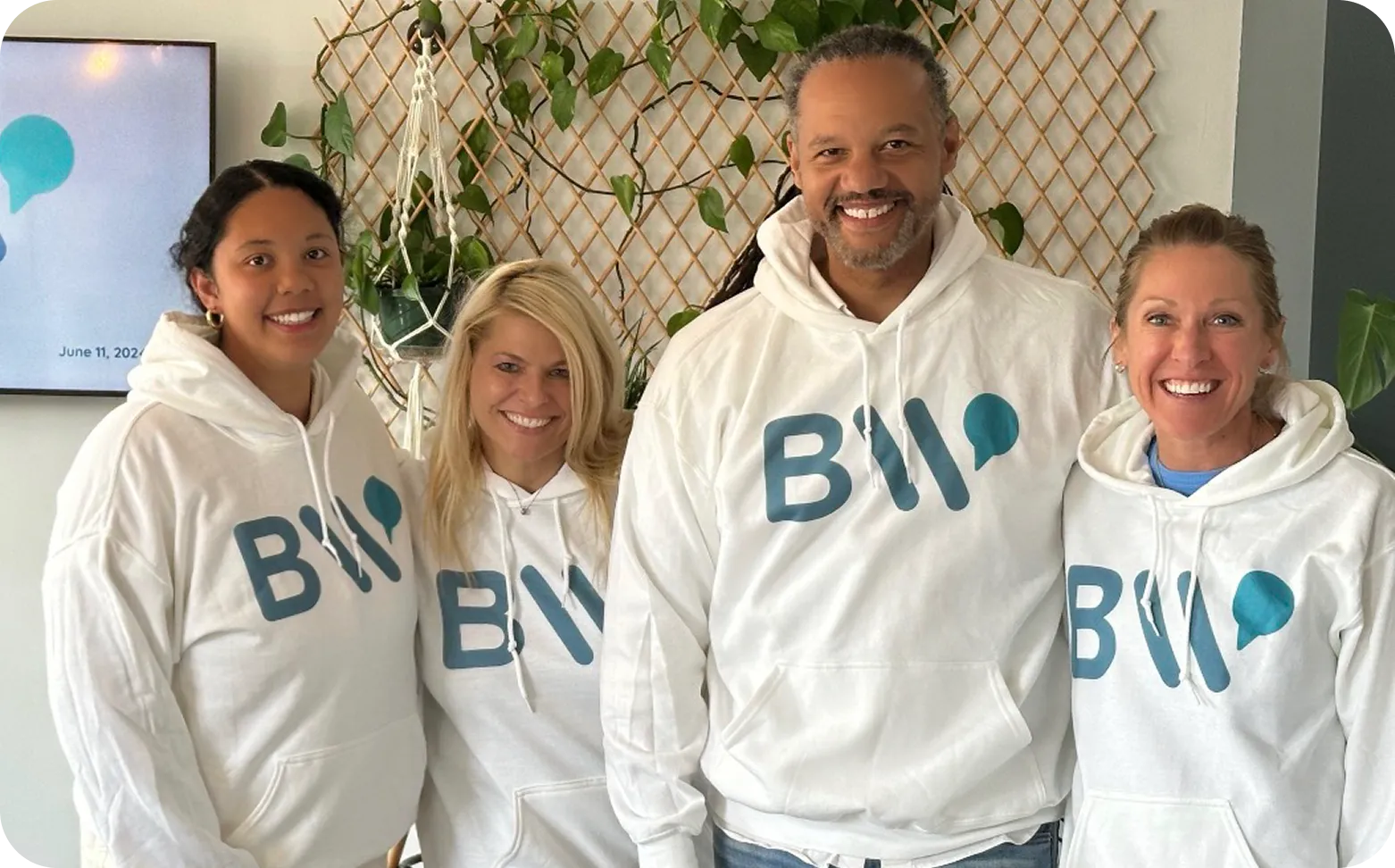
1998
Empowering organizations worldwide since our founding in 1998
Who We Are
Harnessing Collective Wisdom
Generations has developed a strong reputation for harnessing the collective wisdom and innovation of multiple generations to drive competitive advantage. Our experts deliver specialized consulting services that bridge generational divides and activate workforce potential. Since 1998, we have empowered thousands of organizations worldwide to foster inclusive, high-performing environments where Baby Boomers, Generation X, Millennials, Generation Z, and emerging cohorts collaborate seamlessly. Our expertise lies not in superficial team-building exercises but in evidence-based strategies that address the root causes of intergenerational friction, yielding measurable improvements in productivity, retention, and cultural alignment.
Our origins trace back to two colleagues—a Baby Boomer and a Gen Xer—who, despite mutual respect, frequently encountered generational disconnects. At the time, the primary tension centered on work ethic: Baby Boomers prioritized extended hours, while Generation X advocated for additional “time off.” This request earned Generation X the title of “slackers” and ushered in the era of work-life balance debates.
Read More
This tension inspired our first bestselling book, When Generations Collide. Since then, we have evolved into a globally recognized consulting firm, authoring two additional titles: The M-Factor and Managing Millennials for Dummies. We have partnered with organizations across every major industry to resolve generational workplace challenges.
When we began, Millennials were entering high school, and the concept of Gen Z had yet to emerge. Over the years, we refined our approaches to align with the evolving needs of emerging professionals while honoring the expertise of seasoned contributors.
Our solutions equip leaders with strategies to build trust and create inclusive environments where every team member feels valued. Colleagues gain practical tools for enhanced communication and collaboration. New hires receive guidance to effectively navigate established workplace norms. Participants universally appreciate the deeper understanding they acquire about their intergenerational relationships, whether with children or parents.
Through engaging keynote presentations, interactive workshops, bestselling publications, and tailored consulting engagements, we empower leaders and teams to leverage the strengths of all generations in workplace and marketplace contexts.
We approach generational dynamics as a practical lens for understanding how people work, lead, and collaborate. Each generation has been shaped by different historical moments, technologies, and expectations, and those influences show up in real ways across today’s workplace.
With nearly three decades of experience and deep research, we help organizations turn generational insight into practical strategies that strengthen culture, improve collaboration, and drive measurable business outcomes.
Our work brings together diverse perspectives, experiences, and strengths, helping teams move beyond differences and use them to build trust, solve problems, and perform at a higher level.
Frequently Asked Questions
1. What are the commonly accepted birth years and key generations currently spanned by the modern workforce (including Traditionalists and Gen Alpha)?
While BridgeWorks focuses on the prominent generations in today’s workforce, (Baby Boomers, Generation X, Millennials and Gen Z) some industries like Education, Healthcare and Law serve members of 6 generations.
- Silent Generation: Born 1925-1945
- Baby Boomers: Born 1946–1964.
- Generation X: Born 1965–1980.
- Millennials (Generation Y): Born 1981–1996 (or 1981–2000).
- Generation Z: Born 1997–2012 (or 1997–2020).
- Generation Alpha: Born 2010–2024, they are the next cohort expected to enter the workforce in coming years.
2. Wouldn’t it be better to treat people the same rather than dividing them up by generations?
It is true that people are people and historically evolve through the traditional career stages in similar patterns by bucking the system in early years and owning it in later years. However, by overlooking the valuable lessons that can be gained by understanding the impact of each generation’s formative years, companies and leaders open the door to unnecessary, costly turnover or workforce tension.
3. What should business owners be aware of as the shift takes place from Baby Boomer and Generation X to Millennials and Gen Z in the workplace?
Millennials already count for the largest share of the working-age population, and Gen Z overtook the percentage of Baby Boomers for the first time in 2025. At the same time, the average lifespan has increased by nearly 10 years since 1965, and economic challenges have set the table for more people feeling the need to stay active in their careers. This has created a wider range of generations collaborating in the workplace than ever before in history.
4. How have remote and hybrid work models specifically amplified or alleviated conflicts between generations regarding work-life balance and presence?
Remote/hybrid models have both alleviated tension by offering the flexibility valued by Millennials and Gen Z, but have amplified conflict by exposing differences in perception of presence and dedication. Older generations (Boomers and Gen X) may view traditional office presence and long hours as a sign of dedication, while younger workers see flexibility and remote work as essential and may view traditional meetings as time-consuming. Organizations must adopt clear, results-driven policies to manage these differing expectations.
5. Beyond basic comfort, how do differences in technological adaptability affect productivity and training needs across generations?
While younger employees are generally more comfortable and quicker to adopt new technologies, this disparity can lead to a “digital divide,” affecting overall team productivity and potentially causing older employees to feel marginalized. To bridge this gap, organizations need to offer ongoing, tailored generational training programs: older generations may prefer structured, step-by-step instruction, while younger generations often favor interactive, technology-driven, self-directed learning.
6. Why do older generations often show resistance to organizational change, and what is the best strategy for gaining their buy-in on new initiatives?
Resistance to change, often associated with older employees, stems from a preference for stability and established methods, sometimes perceiving new initiatives as a threat to job security or simply discomfort with new working methods. The best strategy for gaining buy-in is to engage all generations in the change planning and implementation phases and clearly articulate the benefits of the change, specifically emphasizing how it will improve things and benefit the team.
7. How do generational differences in articulating core values, such as sustainability, DEI, and purpose-driven work, manifest in the modern workplace?
While most generations share underlying values, the articulation of those values differs. Younger generations (Millennials and Gen Z) are highly vocal about purpose-driven work, diversity, and social issues (e.g., sustainability and LGBTQ+ rights). Older generations may express their values through job security and the ability to support their families. Leaders must create a culture of respect that integrates these diverse value expressions and ensure value-based programs (like ERGs) are integrated into the company’s decision-making and culture, not just compartmentalized.
8. What are the contrasting leadership styles favored by older generations (Boomers/Gen X) versus younger generations (Millennials/Gen Z)?
Older generations, such as Baby Boomers and Gen Xers, often favor a hierarchical, top-down approach to leadership, valuing authority and a clear chain of command. Conversely, Millennials and Gen Z prefer supportive leaders, valuing transparency, inclusivity, and a collaborative or coaching style, and expect to receive frequent feedback and mentoring.
9. What can leaders do about the high turnover rate of younger generations (Millennials/Gen Z) as they challenge traditional retention strategies?
Millennial self-confidence has fueled their belief that they can always find another job and their reputation as “job hoppers.” This challenges traditional retention strategies based on long-term loyalty and necessitates personalized career development plans, immediate feedback, and clear paths for quick career progression. Gen Z, on the other hand, is becoming known as “Job Huggers”, less inclined to want to leave. Nevertheless, they still have expectations for rapid advancement within an organization as established by their Millennial predecessors.
10. What are three specific, low-cost actions leaders can implement immediately to improve daily cross-generational communication and respect?
- Set Clear Communication Guidelines: Establish clear expectations for how and when different communication channels (e.g., email vs. chat vs. in-person) should be used for specific tasks to avoid misinterpretations.
- Focus on Facts, Not Judgments: When addressing conflicts or missed expectations, leaders should stick to factual observations (“The report was due at 5 PM, and I received it at 7 PM”) rather than generational assumptions (“You are slow/lazy”).
- Prioritize Flexibility: Offer variable work hours or remote options where possible, framing them as a way to prioritize results over hours worked, which helps satisfy all age groups.
11. How does "reverse mentoring" specifically benefit both older employees and younger employees in terms of skills and mutual respect?
Reverse mentoring, which pairs junior employees with senior colleagues, offers dual benefits. The younger employee benefits by gaining recognition for their skills, respect from their elders, and opportunities to share fresh ideas. The older employee (the mentee) benefits by receiving valuable tech training, staying current on new technologies and trends, and gaining new perspectives.
12. What are the anticipated characteristics and expectations of Generation Alpha as they begin to enter the workforce?
Generation Alpha (born 2010–2024) will be the first generation entirely born in the 21st century and will begin entering the workforce in the coming years. While their full workplace characteristics are still emerging, it is noteworthy that they will be the first generation to grow up with Artificial Intelligence as a common part of their educational experience. They will have the benefit of access to the greatest minds who ever lived as their instructors and the liability of not having practiced the discipline of hard work to gather that information.